6 Reasons Why your Roller Chain is Wearing Faster than Expected?
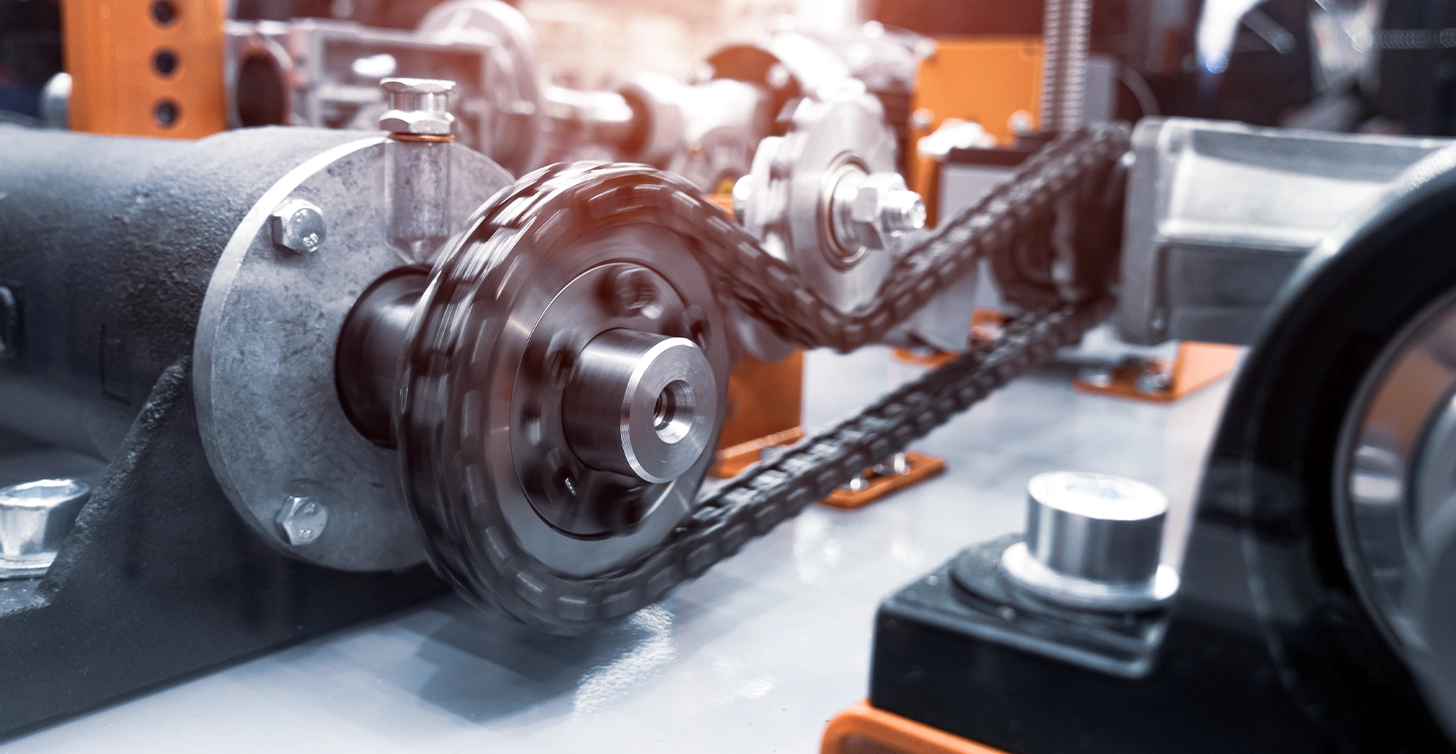
Roller chain wear is a normal part of operation, but frequent replacement can point to a problem with lubrication, alignment, tension, operating conditions or chain selection.
A chain that appears to have ‘stretched’ has usually worn internally. As the pins and bushes wear, the distance between rollers increases. This is known as chain elongation, and it can affect how the chain engages with the sprocket teeth.
Finding the cause early can help extend service life, protect sprockets and reduce unplanned maintenance.
1. The chain is not being lubricated correctly
Insufficient or unsuitable lubrication is one of the most common causes of rapid chain wear. The pins and bushes need lubrication to reduce friction as the chain articulates around the sprockets. Without it, wear can build up quickly, often accompanied by heat, noise or stiff links.
Applying lubricant to the outside of the chain may not be enough if it does not reach the working surfaces. Check the chain manufacturer’s guidance for the right lubricant, application method and interval. The requirements can vary with speed, load, temperature and the working environments.
2. Dirt, dust or moisture is getting into the chain
Abrasive particles can damage the chain’s internal surfaces, while water and corrosive materials can contribute to rust and interfere with lubrication. This is more likely where chains operate in dusty, wet or washdown environments.
Keep the chain and sprockets as clean as the application allows. If contamination cannot be avoided, check whether the chain material or coating is suitable for the conditions. Protorque’s roller chain range includes corrosion resistant options for demanding environments.
3. The sprockets or shafts are out of alignment
Misalignment can cause the chain to run unevenly across its width. Look for one-sided wear on the chain plates or sprockets teeth, which can indicate that the sprockets of shafts need checking.
Inspect alignment during maintenance and correct it before fitting a replacement chain. Installing a new chain without addressing the cause may simply lead to the same wear pattern again.
4. The chain is too tight or too slack
Excessive tension places additional load on the chain and its bearings. Too much slack can cause the chain to whip, ride poorly on the sprockets or experience impact loading.
Set chain tension in line with the equipment and chain manufacturer’s instructions. Avoid removing all movement from the chain by overtightening it. Check the adjustment again after installation and during routine maintenance, as the correct setting depends on the drive arrangement.
5. The chain is carrying more load than it was selected for
Frequent starts and stops, shock loads, increased production demands or a change to the driven equipment can all increase the load on a chain drive. If the chain is underspecified for the duty, wear may accelerate and the chain may run noisily or become hot.
Review the drive’s actual operating conditions, including load, speed, start-up frequency and any changes to the process. Make sure the chain is suitable for the application and selected in line with manufacturer guidance. Protorque roller chain is available in standard and Protorque PLUS options for a range of applications.
6. Worn sprockets are damaging the replacement chain
A worn chain and worn sprockets can wear each other more quickly. Check the sprocket teeth for hooking, uneven wear or damage, and inspect the chain for elongation. If the sprockets are already worn, fitting a new chain alone may not solve the problem.
When wear is advanced, assess the chain and sprockets together and replace components as needed. It is advised against running a worn chain on new sprocket, and visa versa as it can accelerate tooth wear.
How can I check whether my roller chain is worn?
Inspect the chain for stiff or damaged links, rust, unusual noise and uneven wear. You can also measure elongation across a specified number of pitches, following the chain manufacturer’s method. Checking only a short section may not give a representative result, so take measurements at several points where possible.
There is no single wear limit that applies to every chain drive. Follow the chain and equipment manufacturer’s replacement guidance and consider the sprocket size and operating conditions when assessing wear. A general wear guide recommends considering replacement at 2% elongation and immediate replacement at 3%.
Looking for the right replacement chain for your application? Explore the Protorque roller chain range or contact one of our authorised distributors for help with chain selection.