What is a coupling and where is it used?
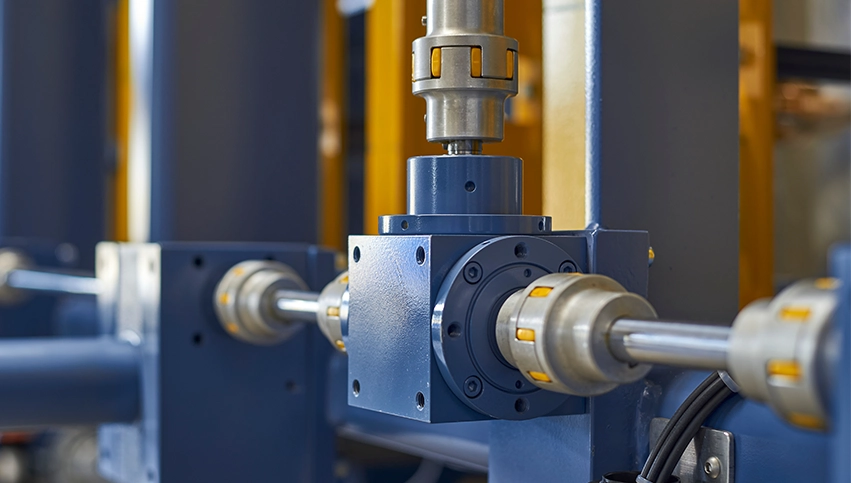
A coupling is a mechanical component used to connect two rotating shafts together in order to transmit power from one shaft to another. Couplings are designed to transfer torque efficiently while also helping to reduce vibration, absorb shock loads, and protect machinery from overload.
Couplings are widely used in power transmission systems across many industries, commonly connecting components such as motors, gearboxes, generators, pumps, compressors, and driveshafts.
How Does a Coupling Work?
Couplings work by joining two shafts so rotational movement and torque can be transferred between them. Once installed, the coupling helps maintain smooth power transmission while compensating for operating conditions such as vibration, thermal expansion, and minor shaft misalignment.
In addition to transmitting torque, couplings also help protect surrounding equipment by absorbing shock and reducing stress on connected components. This can improve equipment lifespan and reduce maintenance requirements.
Types of Couplings
There are two main categories of couplings: rigid couplings and flexible couplings. The requirements of the drive system will determine which type is most suitable for the application.
Flexible Couplings
Flexible couplings are designed to accommodate slight misalignment between shafts while still transmitting torque effectively. They allow for a degree of axial, radial, and angular movement, making them ideal for applications where perfect alignment cannot always be maintained.
Because they absorb vibration and shock loads, flexible couplings help protect connected equipment from premature wear and damage. They are commonly used in pumps, fans, conveyors, and other applications where dynamic loads or movement are present.
Benefits of flexible couplings include, reduced vibration and noise, compensation for shaft misalignment, shock load absorption, and reduced wear on bearings and seals.
Rigid Couplings
Rigid couplings create a solid and inflexible connection between two shafts. Because there is no flexibility in the connection, they provide highly efficient torque transmission and precise shaft positioning.
However, rigid couplings require the shafts to remain accurately aligned at all times, as they cannot compensate for misalignment. For this reason, they are typically used in application where precise alignment can be maintained constantly.
Benefits of rigid couplings include, high torque transmission efficiency, simple and robust design, precise shaft alignment, and low maintenance requirements.
Applications for Couplings
Couplings are used across a wide range of industrial and power transmission applications. They are commonly found in:
- Pumps
- Motors and gearboxes
- Compressors
- Conveyors
- Mixers and agitators
- Drive shafts
- Fans and blowers
- Turbines and generators
Selecting the correct coupling is essential for ensuring reliable performance, minimising downtime, and extending the service life of connected machinery.
Protorque Couplings
Protorque couplings are designed to provide reliable and efficient power transmission across a variety of industrial applications, and manufactured to delivery durability, precision, and dependable performance in demanding operating environments.
Whether the application requires vibration damping, misalignment compensation, or high torque transmission, Protorque couplings offer a solution suited to a wide range of drive systems.